
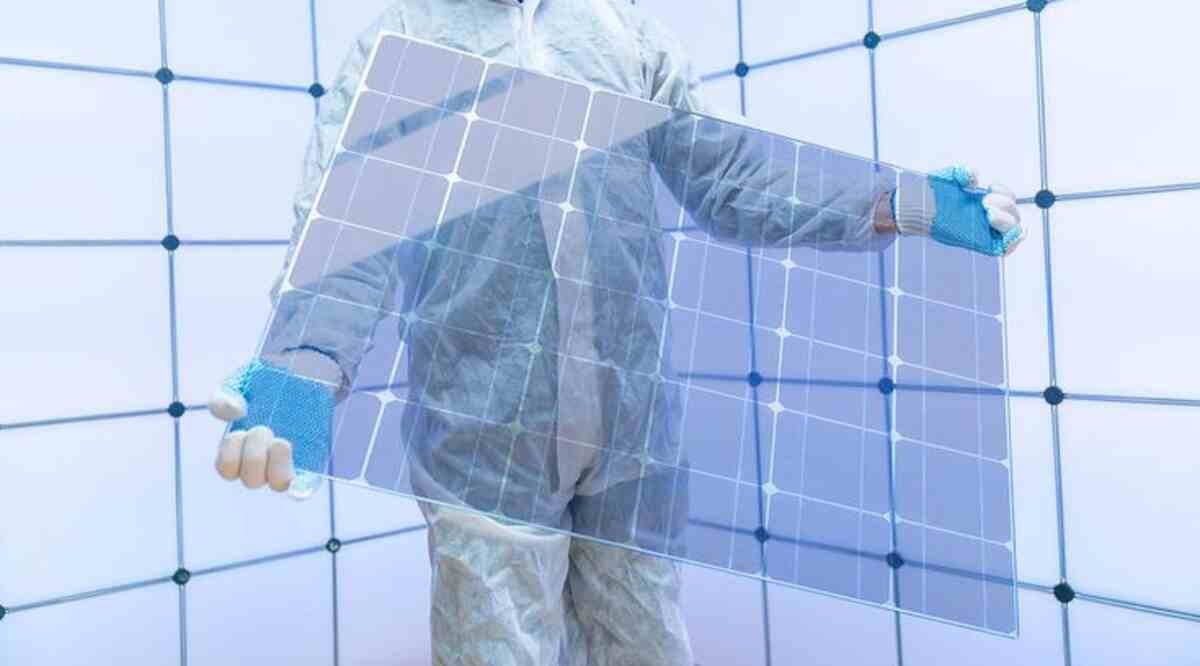
Scientists have achieved a major breakthrough in renewable energy with the development of transparent solar panels designed specifically for smart buildings. This innovation has the potential to transform how cities generate power, turning ordinary windows, glass facades, and skylights into energy-producing surfaces without altering the appearance of modern architecture.
Unlike traditional solar panels that are bulky and opaque, transparent solar panels are engineered to look and function like regular glass. They selectively absorb non-visible wavelengths of light, such as ultraviolet and infrared rays, while allowing visible light to pass through. This makes them ideal for use in office towers, residential high-rises, airports, shopping malls, and other glass-heavy structures common in urban environments.
The technology behind transparent solar panels relies on advanced materials and organic photovoltaic compounds. These materials capture energy from sunlight without blocking views or natural daylight. Scientists have focused on improving efficiency while maintaining high transparency, a challenge that has limited adoption in the past. Recent prototypes have achieved significantly higher energy conversion rates, making the technology commercially viable for large-scale deployment.
Smart buildings are expected to be the biggest beneficiaries of this innovation. Modern smart buildings already use sensors, automation systems, and AI-driven energy management to optimize lighting, temperature, and security. Integrating transparent solar panels into these structures allows them to generate clean energy on-site, reducing dependence on external power grids and lowering carbon emissions.
One of the most promising aspects of transparent solar panels is their scalability. Instead of requiring additional land or rooftop space, buildings can simply upgrade existing glass surfaces. Skyscrapers, which traditionally consume massive amounts of electricity, could become vertical power plants by utilizing thousands of square meters of glass for energy generation. This shift could redefine urban sustainability and help cities meet aggressive climate targets.
The environmental impact is equally significant. Buildings account for a large portion of global energy consumption and carbon emissions. By enabling energy generation without changing building design, transparent solar panels offer a practical path toward greener cities. They also reduce the need for fossil fuel-based electricity, helping governments and corporations meet net-zero commitments.
Cost has long been a concern for emerging solar technologies, but researchers report that manufacturing processes for transparent panels are becoming more affordable. As production scales up, prices are expected to fall, similar to the trajectory seen with conventional solar panels over the past decade. This could encourage widespread adoption across both commercial and residential sectors.
Beyond energy generation, transparent solar panels offer additional benefits. They can be integrated with smart glass technologies that regulate heat and light, improving indoor comfort and reducing cooling costs. Some designs also enhance UV protection, helping preserve interior furnishings and reduce glare without the need for tinted windows.
Challenges remain before mass adoption becomes a reality. Current transparent panels still generate less power than traditional rooftop solar systems, and durability over decades is being tested. Researchers are also working on improving performance in low-light conditions and ensuring compatibility with existing building materials.
Despite these hurdles, industry experts believe transparent solar panels represent a turning point in renewable energy innovation. As urban populations grow and cities seek sustainable solutions, the ability to generate power invisibly within buildings could reshape the future of construction and energy use.
The development of transparent solar panels signals a future where clean energy is seamlessly integrated into everyday infrastructure. As smart buildings evolve from energy consumers into energy producers, this technology could play a crucial role in building smarter, greener, and more self-sufficient cities worldwide.